


 Advice
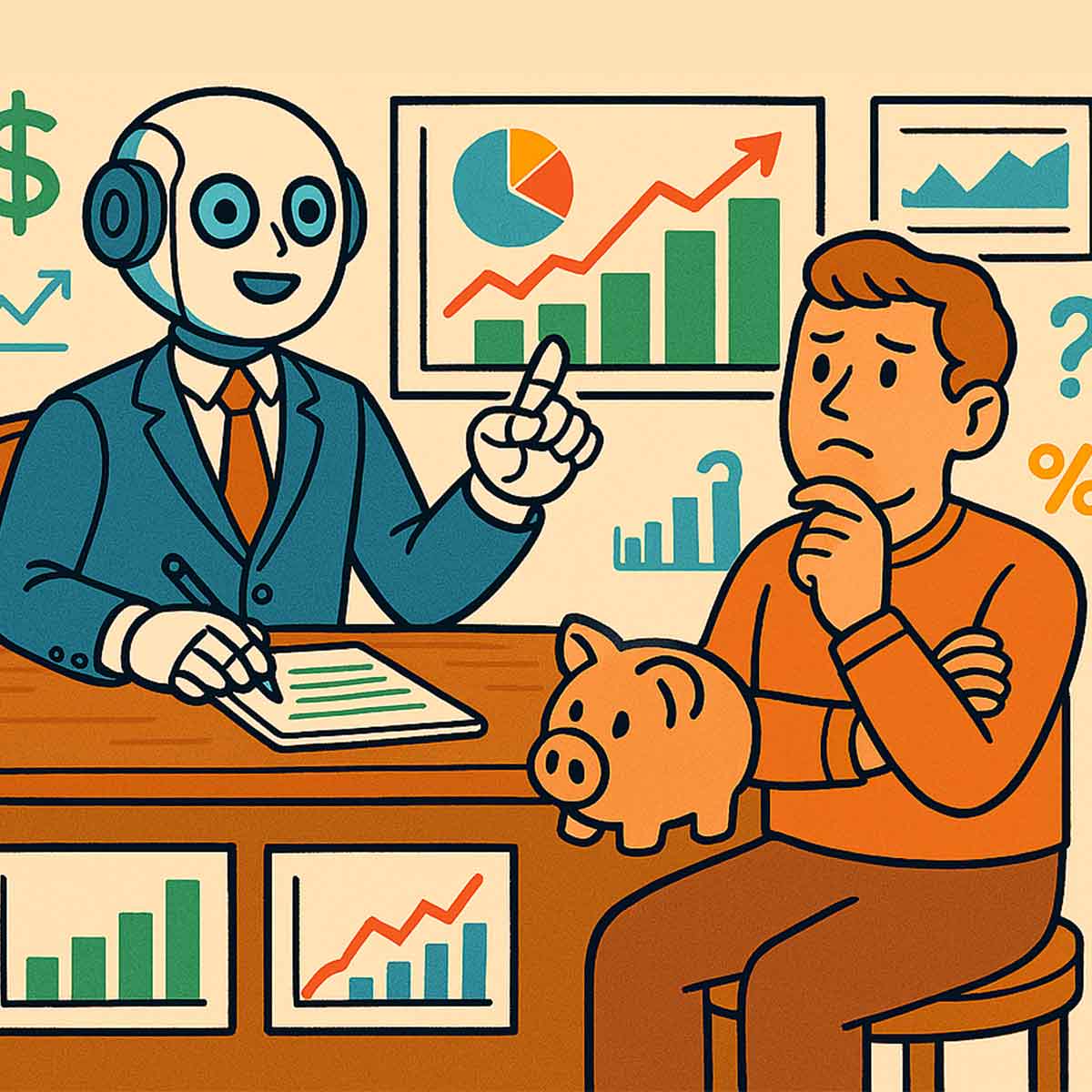
You’ve seen it everywhere: AI that promises to answer the toughest questions in seconds. Need a recipe? Done. Need help writing an email? Easy. But what about something that actually matters, like your money?
Can a chatbot really help you make smart financial decisions? Or should you think twice before trusting it with advice about your savings, investments, or business?
ChatGPT has changed the way we learn, but understanding what it can (and can’t) do is the key to using it wisely. The truth is simple: you can trust ChatGPT to teach you, but not to plan for you. Let’s see why.
What ChatGPT Is and What It Isn’t
ChatGPT is an advanced language model, not a financial advisor. It uses patterns from massive amounts of text to predict words and provide answers. That means it can explain ideas well, but it doesn’t actually “know” your life, your goals, or your financial situation.
- It doesn’t access your real-time financial data or current market trends.
- It can’t offer fiduciary advice, which is a legal duty human advisors have to act in your best interest.
- It can be confidently wrong, presenting mistakes in a polished way that sounds convincing.
Think of ChatGPT as a friendly encyclopedia: useful for learning, but not for steering your life savings.
Where ChatGPT Can Help You
ChatGPT shines when you use it as a learning partner, not a decision-maker. Here are a few smart ways to use it:
- Learn Financial Basics
You can ask simple questions such as:
- “What’s a Roth IRA?”
- “How does compound interest work?”
- “What’s the difference between saving and investing?”
You’ll usually get a clear, plain-language explanation. That’s great for building your confidence and financial literacy.
- Compare Ideas
If you’re curious about two options, like paying off debt vs. investing extra cash, ChatGPT can list pros and cons so you can think critically before making a move.
- Prepare for Professional Guidance
ChatGPT can help you get ready for meetings with a financial advisor. Try asking:
“What should I bring to a meeting with a financial planner?”
“What questions should I ask about investment fees?”
Using the tool this way helps you make the most of your time with a human expert.
- Support Everyday Money Management
Need a reminder to set up a budget or track spending? ChatGPT can outline a basic plan and explain how to separate business and personal accounts.
For small business owners, it can even summarize banking best practices from trusted resources.
Where ChatGPT Falls Short
Here’s where ChatGPT can slip up, and why you shouldn’t rely on it alone for financial decisions.
- One-size-fits-all advice.
ChatGPT doesn’t know your life story, your income, or your goals. It can’t tell if you’re saving for college, retirement, or starting a small business. What sounds “right” for someone else might be completely wrong for you. - Outdated or incomplete information.
Financial rules, tax laws, and interest rates change constantly. ChatGPT’s answers come from patterns in older data, so they might not reflect the most recent updates or local regulations that affect your money. - No legal responsibility for your outcomes.
A certified financial planner is required to put your interests first. ChatGPT doesn’t. It doesn’t answer to regulators, and it can’t be held accountable if its advice costs you money. - Confidence without confirmation.
ChatGPT often sounds sure of itself, even when it’s pulling from outdated, incomplete, or low-quality information. That’s why you should treat every answer as a starting point—not a final verdict.
What the Studies Say
Several media outlets and financial researchers have tested ChatGPT’s money advice. The results were consistent:
- Good at explanations, not execution.
- Mixed accuracy: some outdated or simplified responses.
- Helpful for learning, especially when paired with human review.
In short, it’s an education tool, not a decision-maker.
Privacy and Security: Protect What’s Yours
When discussing money online, always protect your personal information.
Here’s what to avoid sharing:
- Bank account or credit card numbers
- Social Security numbers
- Tax forms or pay stubs
- Business financial statements
Even though ChatGPT doesn’t store your information permanently, it’s best practice to keep sensitive data out of any public or AI chat. Treat it like any online platform: stay cautious and professional.
Ask for Trusted Resources and Verify Them
One of the best habits you can build when using ChatGPT is to ask for its sources. You can say:
“Can you list your sources for this information?”
“Which of these are official financial or government sites?”
“How recent are these facts?”
Good answers should include reputable, verifiable sources like:
- Government websites (IRS.gov, SEC.gov, SBA.gov)
- Recognized financial institutions and banks
- Certified professionals (CFPs, CPAs, or fiduciary advisors)
- Established media outlets with editorial standards
Once ChatGPT provides its list, take a moment to evaluate trustworthiness:
- Check that the source is current (within the past year).
- Make sure it’s independent, not promoting a product.
- Look for credentials or citations that confirm expertise.
- When in doubt, cross-check with a second reliable site.
Using ChatGPT this way helps you learn how to verify information, one of the most important financial literacy skills you can build. Trusted resources are a great way to know that what you’re reading is accurate and unbiased.
A Smarter Way to Use ChatGPT for Finances
Here’s a practical step-by-step approach that blends technology with professional judgment:
- Ask ChatGPT to explain the topic.
Example: “Explain how a small business line of credit works.”
You’ll get an overview similar to what you might read on the financial advice section of our website. (ChatGPT pulls articles from industry sources, like our writers.) - Apply it to your own numbers offline.
Use your actual income, expenses, and goals privately: don’t enter them into ChatGPT. We recommend you check out our secure and free personal finance calculators or business calculators. - Confirm with a certified advisor.
Take what you learned and discuss it with your banker, CPA, or financial planner. They can spot risks or opportunities that AI can’t. - Ask ChatGPT for follow-up learning.
After your meeting, you might ask: “Summarize what my advisor meant by ‘tax-efficient withdrawal strategy.’”
This reinforces what you learned, and gives you ideas for follow-up questions.
When to Rely on a Professional Instead
Some financial moments call for human expertise. Reach out to a professional when:
- You’re planning for retirement withdrawals or Social Security timing.
- You’re dealing with taxes, estate planning, or insurance needs.
- Your business needs funding, a credit line, or capital restructuring.
- You’re managing multiple income sources or large assets.
- You’re making investment decisions involving risk or legal obligations.
In these cases, ChatGPT can help you ask smarter questions, but it can’t replace a trusted advisor who understands your goals and risk tolerance.
Bottom Line: Trust, but Verify
So… can you trust ChatGPT’s financial advice?
Yes, but only to learn, not to decide.
ChatGPT is great for:
- Explaining financial concepts
- Helping you organize your thoughts
- Guiding early research
But it’s not a substitute for a real advisor or banker. It doesn’t know you, your goals, or the latest laws. Treat it as a learning partner, not a planner.
At 1st Source Bank, we believe technology should support your financial journey, not lead it. Use AI to build confidence, then pair that knowledge with personal, professional guidance. Together, that’s how you make sound, lasting financial choices.
Want to chat about your finances? Send us an email or give us a call. We’re here to help!